- Visitors
- Researchers
- Students
- Community
- Information for the tourist
- Hours and fees
- How to get?
- Visitor Regulations
- Virtual tours
- Classic route
- Mystical route
- Specialized route
- Site museum
- Know the town
- Cultural Spaces
- Cao Museum
- Huaca Cao Viejo
- Huaca Prieta
- Huaca Cortada
- Ceremonial Well
- Walls
- Play at home
- Puzzle
- Trivia
- Memorize
- Crosswords
- Alphabet soup
- Crafts
- Pac-Man Moche
- Workshops and Inventory
- Micro-workshops
- Collections inventory
- News
- Visitors
- Chan Chan: Where Is It and How to Combine It with Your Visit to El Brujo?
News
CategoriesSelect the category you want to see:
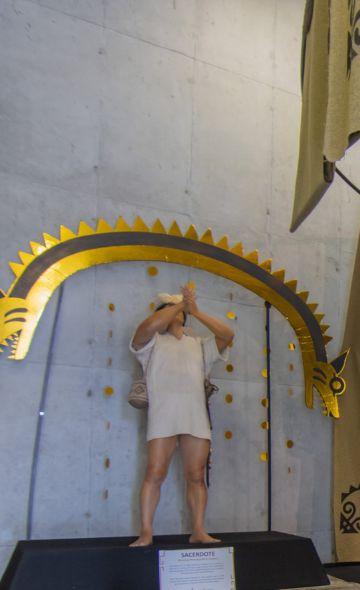
Elite Moche Burial at Huaca Cao Viejo: The Principal Priest ...
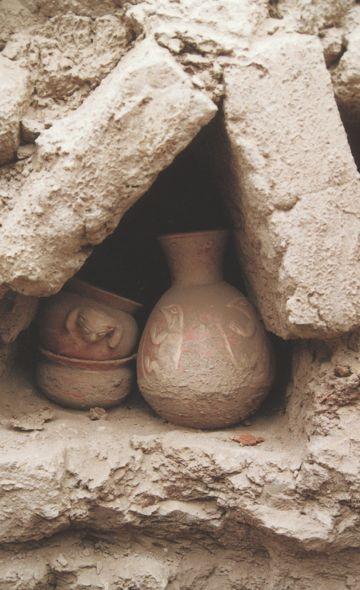
Tumbas de élite mochica en Huaca Cao Viejo: la cámara decorada Moche Elite Tombs at Huaca Cao Viejo: The Decorated Chamb ...
To receive new news.
By: Complejo arqueológico El Brujo
On Peru’s northern coast, where the desert meets the sea, lies Chan Chan—one of the country’s most impressive archaeological treasures. Recognized by UNESCO as a World Heritage Site, it was the capital of the ancient Chimú kingdom and is considered the largest adobe city in the Americas. Today, its timeworn walls continue to tell the story of a civilization that ruled these lands before the Inca Empire.
Beyond its historical significance, Chan Chan is also a perfect gateway to explore other treasures of the La Libertad region, such as the El Brujo Archaeological Complex, located less than two hours north of Trujillo. Together, these destinations form a fascinating route where history, culture, and nature intertwine in a single journey.
Where Is Chan Chan?
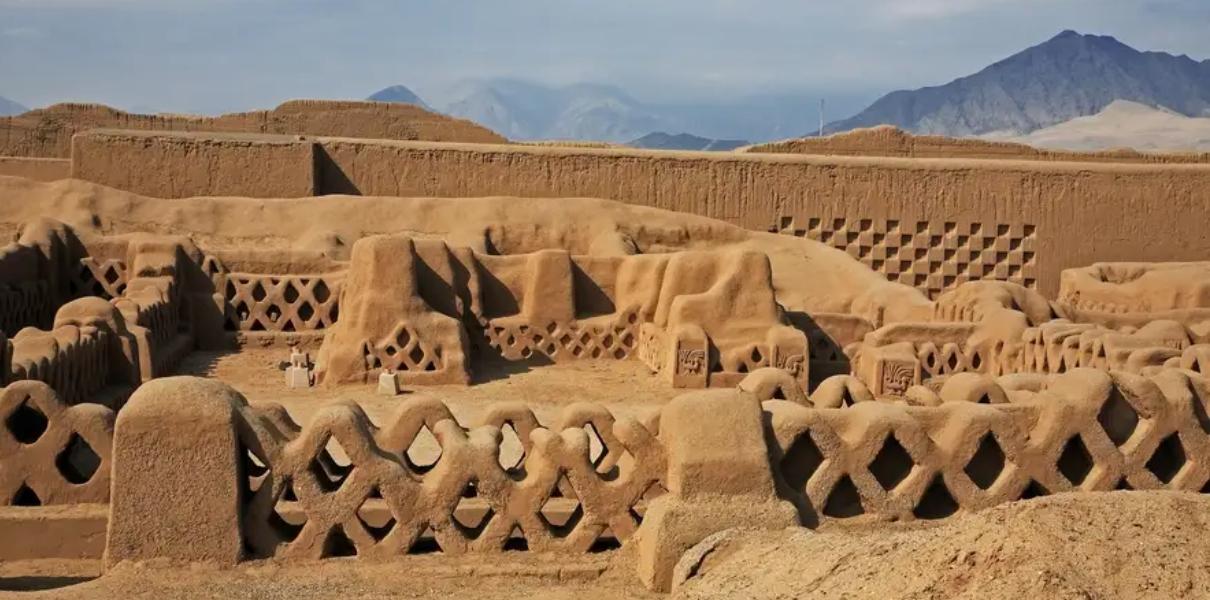
Chan Chan is located in the district of Huanchaco, just 5 kilometers from downtown Trujillo and very close to the ocean. The complex covers more than 20 square kilometers and consists of nine walled citadels, plazas, temples, and canals that once housed over 30, 000 inhabitants.
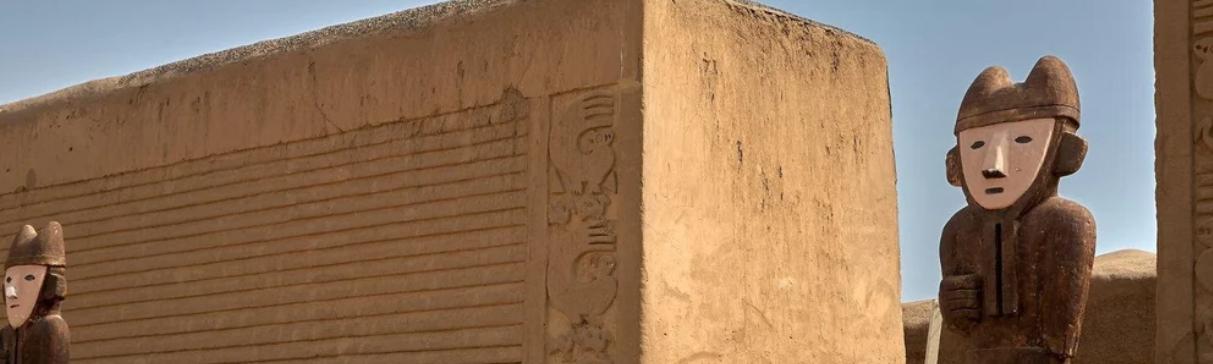
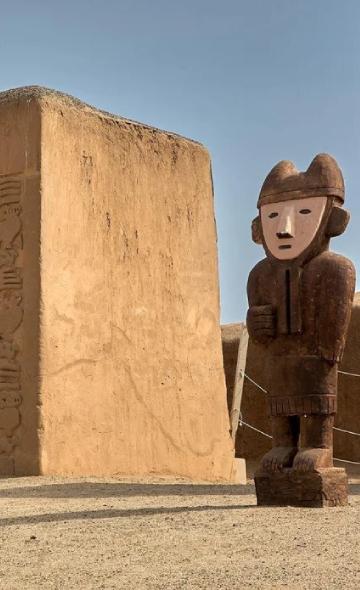
The most accessible structure for visitors is the Nik An walled complex, which preserves passageways, decorative reliefs featuring birds and fish, and large ceremonial plazas. At the Chan Chan Site Museum, located at the entrance, visitors can learn more about Chimú social organization, art, and hydraulic engineering. This civilization thrived in the desert thanks to an advanced system of canals and reservoirs.
Its proximity to the seaside resort of Huanchaco also makes it an ideal spot to enjoy the ocean and observe the traditional caballitos de totora, reed boats used by local fishermen since pre-Hispanic times.
Why Is Chan Chan a Must-See Stop?
Walking through Chan Chan means exploring the legacy of a society that understood architecture as an expression of power. Each palace was built by a different ruler and preserved by their successors, forming a true adobe metropolis.
Its carefully restored reliefs depict geometric patterns, waves, fishing nets, and marine animals—symbols reflecting the Chimú’s close relationship with the sea. Guided tours reveal how life unfolded within this walled city: administrative spaces, ceramic and metal workshops, and areas dedicated to religious ceremonies.
Due to its historical importance and preservation, Peru’s Ministry of Culture has awarded Chan Chan Tourism Hierarchy Level 4—the highest recognition in the country, reserved for destinations of national and international significance.
From Chan Chan to El Brujo: A Journey Through History
If Chan Chan represents Chimú splendor, the El Brujo Archaeological Complex reveals the mysteries of the Moche civilization, which flourished between the 1st and 7th centuries AD. This site is located in the district of Magdalena de Cao, about 60 kilometers north of Trujillo, and can easily be visited as part of a one-day itinerary.
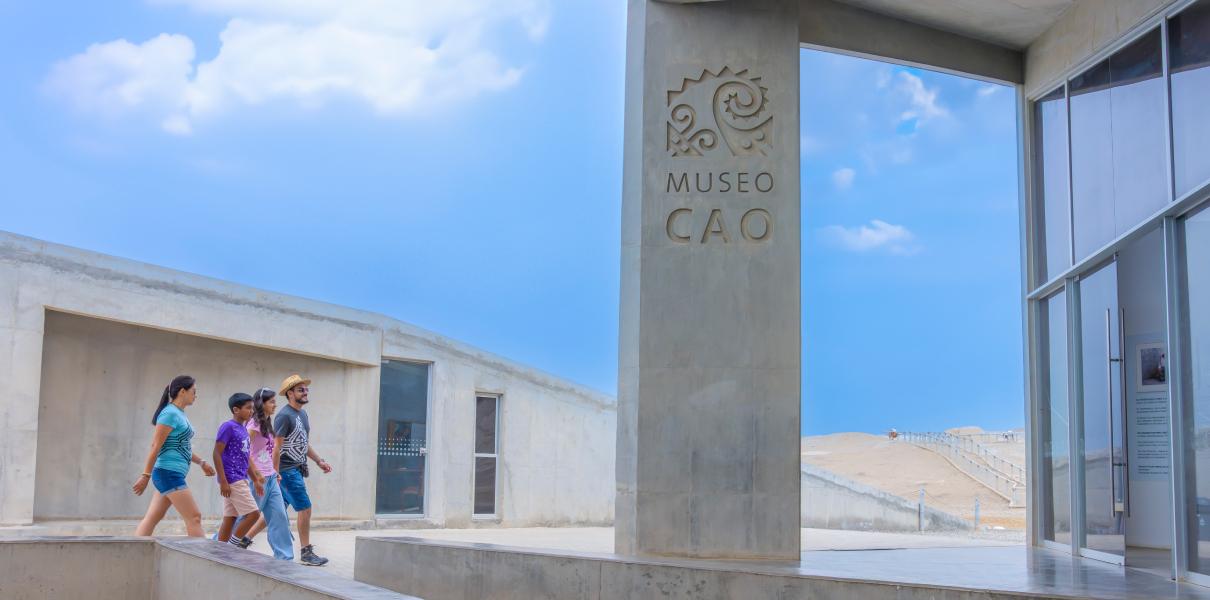
El Brujo consists of three major huacas—Cao Viejo, Cortada, and Prieta—as well as the El Brujo Site Museum, which houses one of the most remarkable discoveries in Peruvian archaeology: the tomb of the Lady of Cao, an elite female figure found in a highly significant archaeological context.
At the museum, visitors can see her mummified body, her ceremonial attire, and an impressive collection of gold, copper, and ceramic artifacts that reveal the spiritual power of the Moche culture. From the complex’s viewpoints, visitors can also admire the coastal landscapes of the Chicama Valley, where desert and ocean meet in a striking setting.
A Route for the Senses: History, Nature, and Living Culture
Combining Chan Chan with El Brujo is much more than an archaeological tour; it is a way to experience the richness of northern Peru. The route passes through fertile valleys, traditional towns, and beaches perfect for relaxation or adventure. Along the way, it’s worth stopping in the district of Magdalena de Cao, where murals inspired by Moche iconography decorate the streets, and the traditional chicha de año invites visitors to share in the warmth of local hospitality.
Whether you travel for history, curiosity, or the simple desire to connect with Peru’s origins, this route between Chan Chan and El Brujo offers a deeper understanding of how two great cultures shaped the identity of an entire region.
Visitors , outstanding news